A complete breakdown of building costs per square metre in South Africa, by province, project size, and finish level—plus the hidden costs most people miss.
What Does It Actually Cost to Build in South Africa Right Now?
Building a house in South Africa in 2025 starts at around R6,500 per square metre for a basic economic home. Mid-range construction sits between R10,000 and R15,000 per square metre. High-end finishes push that to R20,000 or more. Luxury builds with premium specifications can exceed R30,000 per square metre.
But these numbers only tell part of the story. The per-square-metre rate covers construction—not everything that happens before a single brick is laid.
How Do Costs Differ by Province?
Where you build changes what you pay. KwaZulu-Natal is currently the most expensive province, averaging around R14,860 per square metre for standard residential construction. Gauteng follows at approximately R13,330. The Western Cape sits at R13,150.
The more affordable provinces include North West at around R7,980 per square metre and Limpopo at R8,450. These differences come down to labour rates, material transport distances, and local demand.
For a standard 150 square metre home, you could be looking at R2.2 million in KZN versus R1.2 million in North West—before professional fees.
What Professional Fees Should I Budget For?
This is where most budgets fall apart. Construction cost is not project cost.
Before building starts, you need professionals. Each one adds a percentage to your total spend:
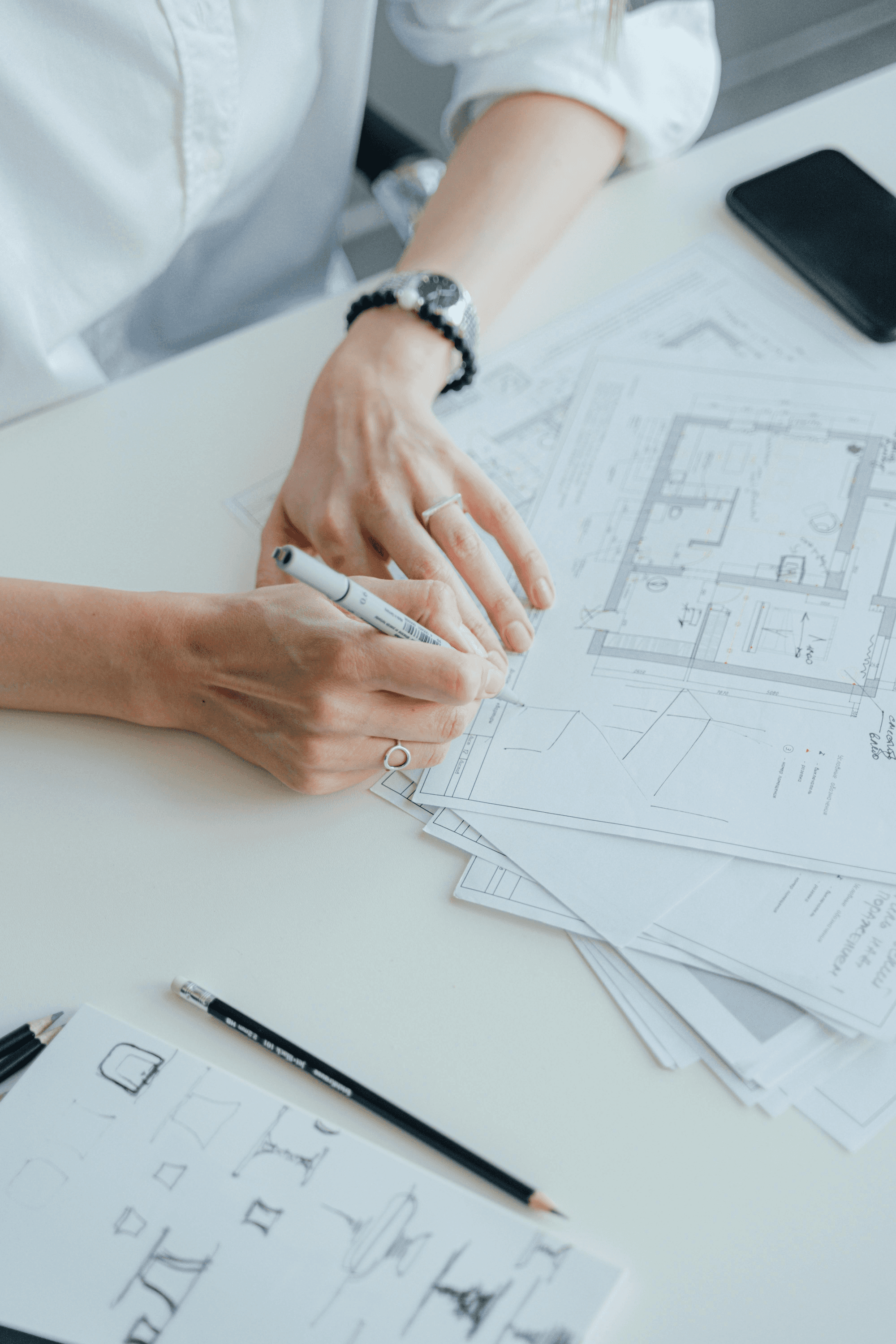
Architect fees run up to 8% of construction cost for full services—design through to site inspection. A land surveyor will cost up to 5%. Structural engineers charge around 2%. A quantity surveyor adds another 3-4% but can save you money by catching pricing errors in tender submissions.
On a R2 million build, professional fees alone can add R300,000 to R400,000.
What About Site Preparation and Approvals?
Before design even begins, you need to understand your site. A geotechnical investigation tells you what the ground can support and what foundation type you need. Skip this and you risk structural failure or expensive redesigns. Budget R8,000 to R25,000 depending on site complexity.
A land survey confirms your boundaries and contours. Without accurate survey data, your architect is designing blind. Expect R5,000 to R15,000.
Then there is municipal submission. Building plans must be submitted by a SACAP-registered professional. Scrutiny fees vary by municipality but typically run R3,000 to R10,000. Approval can take 30 days to 6 months depending on your municipality's backlog and whether your plans require amendments.
If your site needs rezoning or departure applications, add more time and more fees.
What Hidden Costs Catch People Off Guard?
Beyond professional fees and approvals, there are costs that rarely make it into early estimates.
Site access and temporary services—water, electricity, site toilets—can cost R15,000 to R30,000 to establish. Demolition of existing structures, if applicable, adds more depending on size.
Service connections are another blind spot. Getting municipal water, sewer, and electrical connections to a new site can run R30,000 to R100,000 or more, depending on distance from existing infrastructure.
Then there are the specification changes mid-build. Every change once construction starts costs more than it would have in the design phase. A 10-15% contingency allowance is not optional—it is essential.
Is It Cheaper to Build or Buy?
On paper, building usually costs 20-30% more upfront than buying an equivalent existing home. But building means no transfer duty on the construction cost, no immediate renovation expenses, and a home built exactly to your requirements.
The real answer depends on what you value: speed and certainty, or customization and long-term fit.
How Do I Protect My Budget?
Start with a feasibility study before committing to a design. Understand what the site allows and what approvals will cost in time and money. Appoint a quantity surveyor early—not after tenders come back. Get a clear scope in writing from every professional.
And work with an architect who understands construction realities, not just design ambition. A good architect will tell you where to spend and where to save. A great one will make sure what gets built is what you signed off on